Current State of the Global Oil Market
- Supply and Demand Dynamics:
- Supply: Major oil-producing countries include the United States, Saudi Arabia, Russia, and Canada. OPEC (Organization of the Petroleum Exporting Countries) and its allies, collectively known as OPEC+, play a significant role in regulating oil supply to stabilize prices.
- Demand: Global demand for oil has been recovering post-pandemic, driven by economic growth, especially in emerging markets like China and India. However, demand in developed countries remains relatively stable with a shift towards renewable energy sources.
- Price Trends:
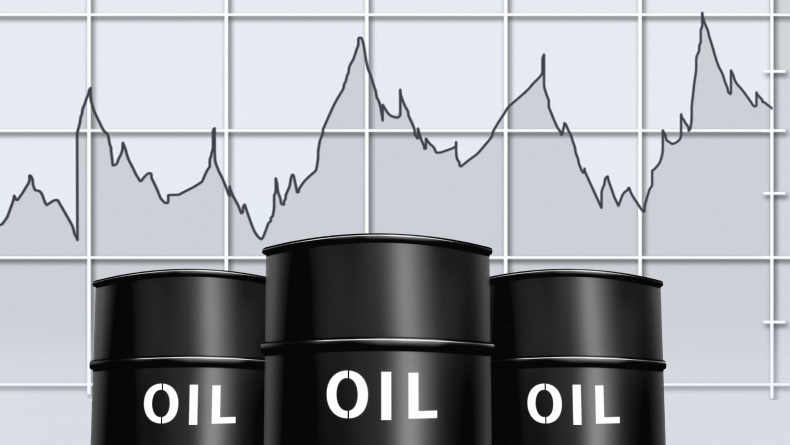
- Oil Prices: As of mid-2024, oil prices are experiencing volatility due to geopolitical tensions, economic uncertainties, and changes in supply-demand balance. Prices have seen fluctuations between $60 to $90 per barrel.
- Influencing Factors: Factors such as geopolitical conflicts, sanctions on major oil producers, and global economic conditions significantly impact oil prices. Additionally, decisions by OPEC+ on production cuts or increases directly affect market prices.
- Geopolitical Factors:
- Middle East: The region remains a focal point due to its vast oil reserves and production capacity. Political instability, conflicts, and diplomatic relations in the Middle East can cause significant disruptions in oil supply.
- Russia-Ukraine Conflict: Ongoing tensions and sanctions against Russia have disrupted global oil supply chains, leading to fluctuations in oil prices.
- Technological and Environmental Factors:
- Technological Advances: Innovations in extraction and production, such as fracking and deep-water drilling, have increased oil supply capabilities. Additionally, improvements in energy efficiency and alternative energy sources are impacting long-term demand.
- Environmental Policies: Global efforts to combat climate change are pushing for a transition to cleaner energy sources. Policies promoting electric vehicles, renewable energy, and carbon reduction are gradually influencing oil demand.
- Market Players:
- OPEC+: Comprising OPEC members and other major oil producers like Russia, OPEC+ decisions on production quotas are crucial in balancing global oil markets.
- Shale Producers: The U.S. shale industry has become a significant player, contributing to increased oil supply and market flexibility.
- Economic Impacts:
- Global Economy: Oil prices directly affect global economic conditions. High oil prices can lead to inflationary pressures, impacting transportation, manufacturing, and overall economic growth.
- Investment: Volatility in oil prices influences investment decisions in the energy sector, affecting future production capabilities and technological advancements.
Key Trends and Future Outlook
- Energy Transition:
- The push towards renewable energy sources and electric vehicles is expected to reduce long-term dependence on oil. Countries are setting ambitious targets for reducing carbon emissions, which will impact future oil demand.
- Investment in Oil and Gas:
- Despite the focus on renewables, significant investments are still being made in oil and gas exploration and production to meet current demand. Balancing these investments with sustainable practices is a key challenge.
- Technological Innovations:
- Advances in extraction technologies and alternative energy are likely to shape the future of the oil market. Improved efficiency and cost reductions in renewable energy could accelerate the shift away from fossil fuels.
- Geopolitical Stability:
- Stability in key oil-producing regions will be crucial. Diplomatic efforts to resolve conflicts and foster cooperation among major producers will help stabilize the market.
- Economic Recovery:
- Post-pandemic economic recovery, particularly in emerging markets, will drive short-term demand growth. However, long-term trends will be influenced by structural changes in energy consumption patterns.
Conclusion
The global oil market is at a crossroads, influenced by a complex interplay of supply-demand dynamics, geopolitical factors, technological advancements, and environmental policies. While short-term fluctuations are driven by immediate economic and political events, the long-term outlook will be shaped by the global transition towards sustainable energy. Balancing current energy needs with future sustainability goals remains a critical challenge for policymakers and industry stakeholders.


