Your Trip to Nepal: The Complete Guide

Discovering Nepal: A Guide
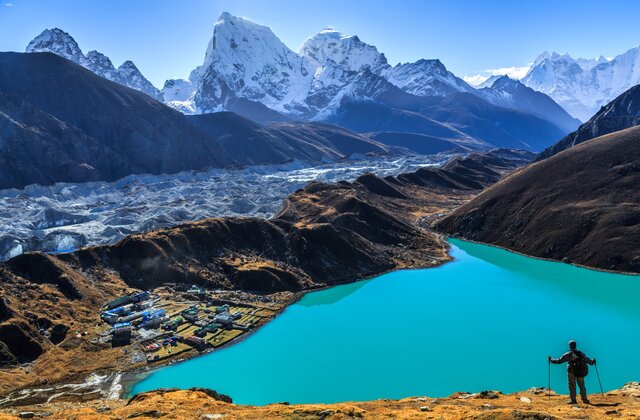
Nepal, a small, landlocked country nestled between India to the south and China (Tibet) to the north, is renowned for its wildlife-filled national parks, ancient Hindu and Buddhist cultures, and a remarkable number of the world’s tallest mountains. Despite its geographical similarities with its neighbors, Nepal offers a unique and diverse landscape and culture. Its mountainous terrain and limited road networks make it a haven for trekkers and mountaineers, but it’s also an exciting destination for families, couples, high-budget travelers, and anyone seeking adventure.
Although Nepal is a developing country with significant infrastructure challenges, travelers can have a rewarding experience by embracing a laid-back approach. Here are some essential tips to maximize your trip to Nepal.
Planning Your Trip
Best Time to Visit:
- September to November and March to May are ideal for most outdoor activities.
- Winter (December to February) is comfortable at lower altitudes.
- Monsoon season (June to August) is not recommended for travel except in Himalayan rainshadow areas like Mustang and Dolpo.
Languages:
- Nepali and Newari are commonly spoken in Kathmandu.
- Other regional languages include Maithili, Bhojpuri, Tharu, Gurung, Tamang, and Sherpa.
- English is widely spoken by educated professionals in major cities.
Currency:
- Nepali Rupee (NPR)
Getting Around:
- Domestic flights for longer distances.
- Local and tourist buses between main cities.
- Private taxis within cities and along major highways.
Know Before You Go:
- Nepal’s elevation varies from sea level on the Indian plains to 29,000 feet at the summit of Everest.
- Pack and dress according to the altitude and season of your destination.
Things To Do
Mountain Adventures:
- Nepal is a paradise for mountain activities, from high-altitude climbing to gentle hill walks.
- Activities include hiking, whitewater rafting, kayaking, paragliding, zip lining, and bungee jumping.
Cultural and Wildlife Experiences:
- Trekking: Explore trails used for centuries, ranging from day walks to multi-week adventures.
- Kathmandu Temples: Visit Boudhanath Stupa, Swayambhunath Stupa, Pashupatinath Temple, and Durbar Squares in Kathmandu, Patan, and Bhaktapur.
- Jungle Safari: Spot wildlife in Chitwan, Bardia, and Koshi Tappu national parks.
Explore more attractions in our articles on sacred sites, national parks, and the Great Himalaya Trail.
What to Eat and Drink
Staple Foods:
- Dal Bhat: Rice and lentil curry, often accompanied by vegetable and meat curries, salad, curd, papad, and fruit.
- Nepali Curries: Less creamy than Northern Indian curries.
Snacks:
- Tibetan Momos: Dumplings filled with meat or vegetables, served steamed, fried, or in soup.
Beverages:
- Locally produced beers like Gorkha and Everest.
- Homemade rice wine, known as chhang or raksi in rural areas.
Where to Stay
Kathmandu:
- Thamel District: Popular with travelers, with a concentration of hotels, tour companies, restaurants, and shops.
- Other areas: Patan, Boudha, Lazimpat, and Bhaktapur.
Beyond Kathmandu:
- Pokhara: Scenic city by Phewa Tal lake and the Annapurna range.
- Chitwan National Park: Various accommodations from high-end resorts to mid-range hotels and homestays.
- Rural and Mountainous Areas: “Teahouses” offer basic accommodation in popular trekking regions.
Getting There
By Air:
- Kathmandu’s Tribhuvan International Airport receives direct flights from various Asian and Middle Eastern cities.
- Connecting flights required from North America and Europe.
By Land:
- Border crossings available along the India border, with limited options on the northern border with China (Tibet).
- Long-distance buses from Delhi and other Indian states.
- Entry from Tibet is possible with pre-arranged tours, though the border is often closed without notice.
Culture and Customs
Tipping:
- Tipping is welcome but not mandatory. Round up the bill in restaurants or leave about 10% in change.
- Tip guides, porters, and drivers directly, about 10% of the total service cost.
Dress Modestly:
- Women should cover shoulders, chests, and knees with loose-fitting clothing.
- Men should avoid tank tops.
Temple Etiquette:
- Respect local customs and avoid intrusive photography.
- Some temples restrict non-Hindu access to certain areas.
Money-Saving Tips
- Prices increase at higher altitudes due to logistics. Budget accordingly with cash.
- Settle on taxi fares beforehand to avoid inflated prices.
Nepal offers a rich blend of cultural experiences and adventure opportunities. By planning ahead and embracing local customs, you’ll have an unforgettable journey in this diverse and captivating country.


